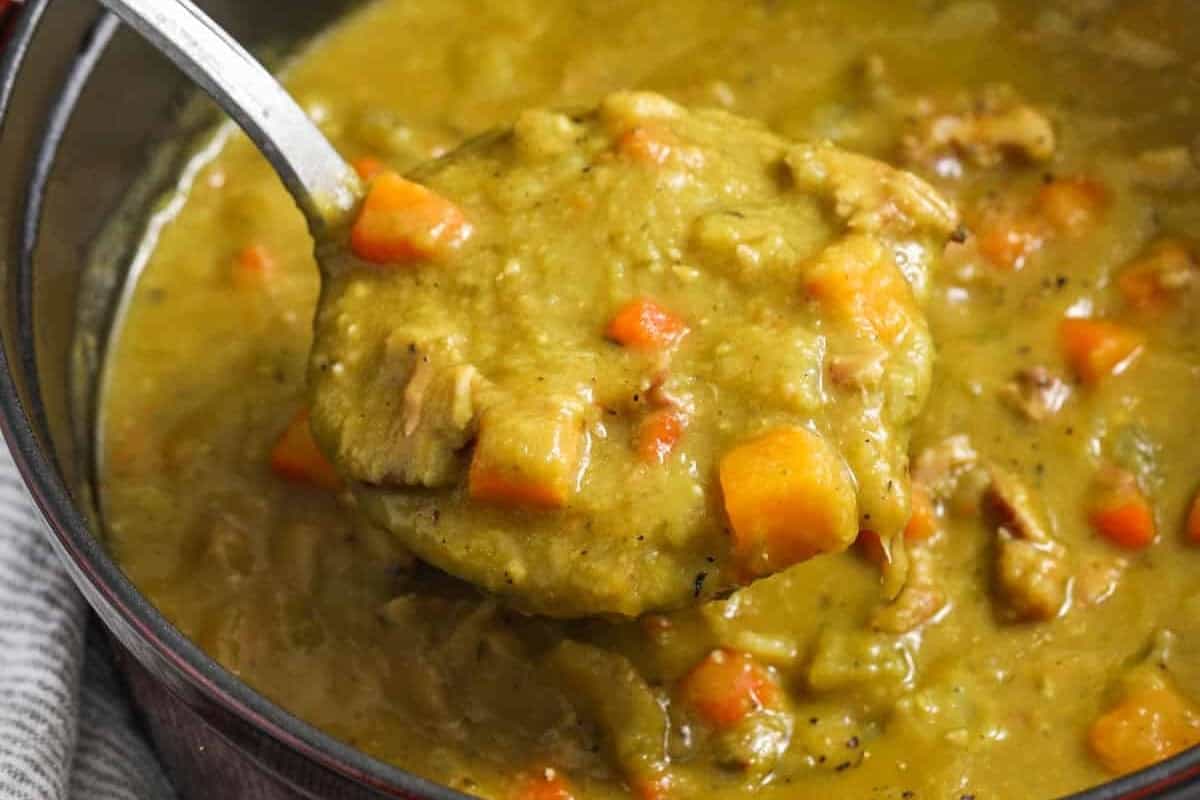
There are few dishes as universally comforting and deeply satisfying as a bowl of homemade split pea soup. It’s the kind of meal that wraps you in warmth, evokes cherished memories, and delivers a nourishing embrace on even the chilliest of days. However, not all split pea soups are created equal. While many traditional recipes can result in a somewhat bland, thick, and muddy consistency, we're here to guide you toward a method that unlocks unparalleled depth of flavor and a sumptuously creamy, never-gloppy texture. The secret to this superior version of hearty split pea soup? Sautéing your vegetables first.
This isn't just about cooking ingredients; it's about building a profound flavor foundation that transforms simple pantry staples into a culinary masterpiece. By taking a few extra minutes at the start, you'll elevate your homemade split pea soup from merely good to absolutely unforgettable, making it a true testament to the power of thoughtful cooking. And the best part? Despite its rich taste, this recipe remains wonderfully fuss-free, requiring no prior soaking of the peas and often coming together as a convenient one-pot wonder. Prepare to discover your new favorite way to make this classic comfort food!
The Flavor Catalyst: Why Sautéing Vegetables First is Non-Negotiable
When it comes to building complex flavors in soups and stews, the initial sauté of your aromatic vegetables is arguably the most critical step. For a truly hearty split pea soup, skipping this stage is akin to building a house without a strong foundation – it just won't hold up.
Here’s why this seemingly small detail makes such a significant impact:
- Maillard Reaction & Caramelization: When onions, carrots, and celery (the classic mirepoix) hit a hot pan with a little fat, they undergo what’s known as the Maillard reaction. This is a chemical process between amino acids and reducing sugars that gives browned food its distinctive flavor. Simultaneously, the natural sugars in the vegetables caramelize, developing a profound sweetness and nutty complexity. This rich, savory depth simply cannot be achieved by merely boiling raw vegetables in broth.
- Aromatic Release: Heat helps to unlock and concentrate the essential oils and aromatic compounds within the vegetables. Sautéing coaxes out their true essence, infusing the cooking oil with their flavors, which then permeates the entire soup as it simmers.
- Texture Transformation: While the vegetables will eventually soften completely into the soup, the initial sauté slightly softens their cell walls, allowing them to break down more smoothly and contribute to the soup's overall creamy texture without adding unwanted lumps or raw vegetable taste.
By investing this short amount of time in properly sautéing your base, you're not just cooking; you're actively creating layers of flavor that will resonate throughout every spoonful of your finished soup. It’s the difference between a one-note dish and a symphony of savory delights.
Crafting Your Perfect Hearty Split Pea Soup: A Step-by-Step Guide
Ready to make the best hearty split pea soup of your life? Follow these distinct steps for a truly flavorful experience.
Step 1: Build the Irresistible Flavor Foundation (The Sauté)
This is where the magic begins. Heat a sturdy pot or Dutch oven over medium heat. Add a tablespoon or two of butter or olive oil. Once shimmering, add your finely diced onions, carrots, and celery. Stir frequently, allowing them to soften and begin to turn translucent, then slightly golden at the edges. This process should take 8-10 minutes. Don't rush it! You're looking for that sweet, slightly caramelized aroma.
Step 2: Simmering Towards Perfection: Peas, Broth, and Ham Bone
Once your aromatic base is perfectly golden, it's time to introduce the stars. Add your dried split peas (no need for soaking – another reason this recipe is so convenient!), along with rich chicken or vegetable broth, a bit of water, and most importantly, your smoky ham bone. Don't forget a few bay leaves and a sprig or two of fresh thyme for added herbal notes. Bring the mixture to a boil, then immediately reduce the heat to a low simmer. Cover partially and let it cook for about 45-60 minutes, or until the peas begin to break down and soften. Stir occasionally to prevent sticking.
Step 3: Timing is Everything: Incorporating the Potatoes
Many recipes add potatoes at the very beginning, but this often leads to overly soft, mushy potatoes that can over-thicken the soup. For our creamy, never-gloppy hearty split pea soup, we add the diced potatoes later. After the initial pea simmering, stir in your diced potatoes and continue to simmer for another 20 minutes, or until they are fork-tender. This ensures they cook perfectly without disintegrating.
Step 4: The Finishing Touches: Acidity, Seasoning, and Serving
Once the potatoes are tender and the peas have reached that beautiful creamy consistency, carefully remove the ham bone from the pot. Shred any tender meat from the bone and stir it back into the soup. This adds another layer of meaty goodness. Now, for the secret ingredient that truly brightens and balances all the rich flavors: a generous splash of fresh lemon juice. This small addition will 'wake up' the soup, cutting through the richness and leaving a clean, savory finish. Taste and adjust seasoning with salt and freshly ground black pepper. Serve hot, perhaps with a garnish of fresh parsley or a drizzle of good olive oil. For more creamy, never-gloppy perfection, check out our article on Hearty Split Pea Soup: Creamy, Never Gloppy, and Easy to Freeze.
Beyond the Basics: Tips for an Unforgettable Hearty Split Pea Soup
While the core steps ensure a delicious soup, a few extra insights can elevate your homemade split pea soup even further:
- Ham Bone Substitutions & Choices: A smoky ham bone is ideal for deep flavor, but if unavailable, ham hocks are an excellent alternative (though with less meat). If using pre-cooked ham, add it with the potatoes to prevent it from becoming tough, and consider adding a pinch of smoked paprika to compensate for the lack of smoky depth.
- Herb Harmony: Beyond bay leaves and thyme, consider adding a sprig of rosemary or a touch of dried marjoram to the simmering stage for a more complex herbal profile. A dash of celery seed can also enhance the celery flavor subtly.
- Consistency Control: Our method helps avoid a gloppy soup, but if you prefer an even smoother texture, you can use an immersion blender to purée a portion of the soup directly in the pot, being careful not to over-blend. If the soup thickens too much after cooling (which it will!), simply stir in a splash of water or broth when reheating.
- Serving Suggestions: This hearty split pea soup is fantastic on its own, but pairing it with warm, No-Soak Split Pea Soup: Get Rich, Creamy Flavor Without the Fuss, crusty Italian bread, or even a grilled cheese sandwich elevates it to a complete meal. A sprinkle of crunchy croutons or some crispy bacon bits can add textural contrast.
- Don't Skimp on Quality: While split pea soup is humble, using fresh, good-quality vegetables and a flavorful broth makes a noticeable difference in the final taste.
Storing and Freezing Your Hearty Split Pea Soup
One of the many joys of making a big batch of this hearty split pea soup is the ability to enjoy it for days or even weeks to come. Proper storage ensures its deliciousness endures.
- Refrigeration: Allow the soup to cool completely before transferring it to an airtight container. Stored properly in the refrigerator, it will maintain its quality for 3 to 5 days. When reheating, remember that the soup will naturally thicken significantly as it cools. Simply add a splash of water or extra broth and stir well to achieve your desired consistency while warming it gently on the stovetop or in the microwave.
- Freezing: This soup freezes exceptionally well! Once cooled completely, transfer it to freezer-safe bags or containers. Leave about an inch of headspace at the top of containers to allow for expansion during freezing. It will keep beautifully in the freezer for up to 3 months. When you're ready to enjoy, thaw the soup overnight in the refrigerator, then reheat gently on the stovetop over low heat, adding extra liquid as needed to reach your preferred consistency.
Embrace the Depth: Your New Go-To Hearty Split Pea Soup
From its humble origins to its sophisticated flavor profile, this homemade split pea soup, anchored by the crucial step of sautéing vegetables first, stands as a testament to simple techniques yielding extraordinary results. It’s a dish that not only satisfies the palate but also nourishes the soul, offering a comforting embrace with every spoonful. By following these detailed steps and embracing the power of building flavor from the ground up, you'll create a hearty split pea soup that’s rich, creamy, and deeply savory – a true culinary triumph without the fuss. So, roll up your sleeves, gather your ingredients, and prepare to be amazed by the profound difference a little initial attention to detail can make in this beloved classic.
