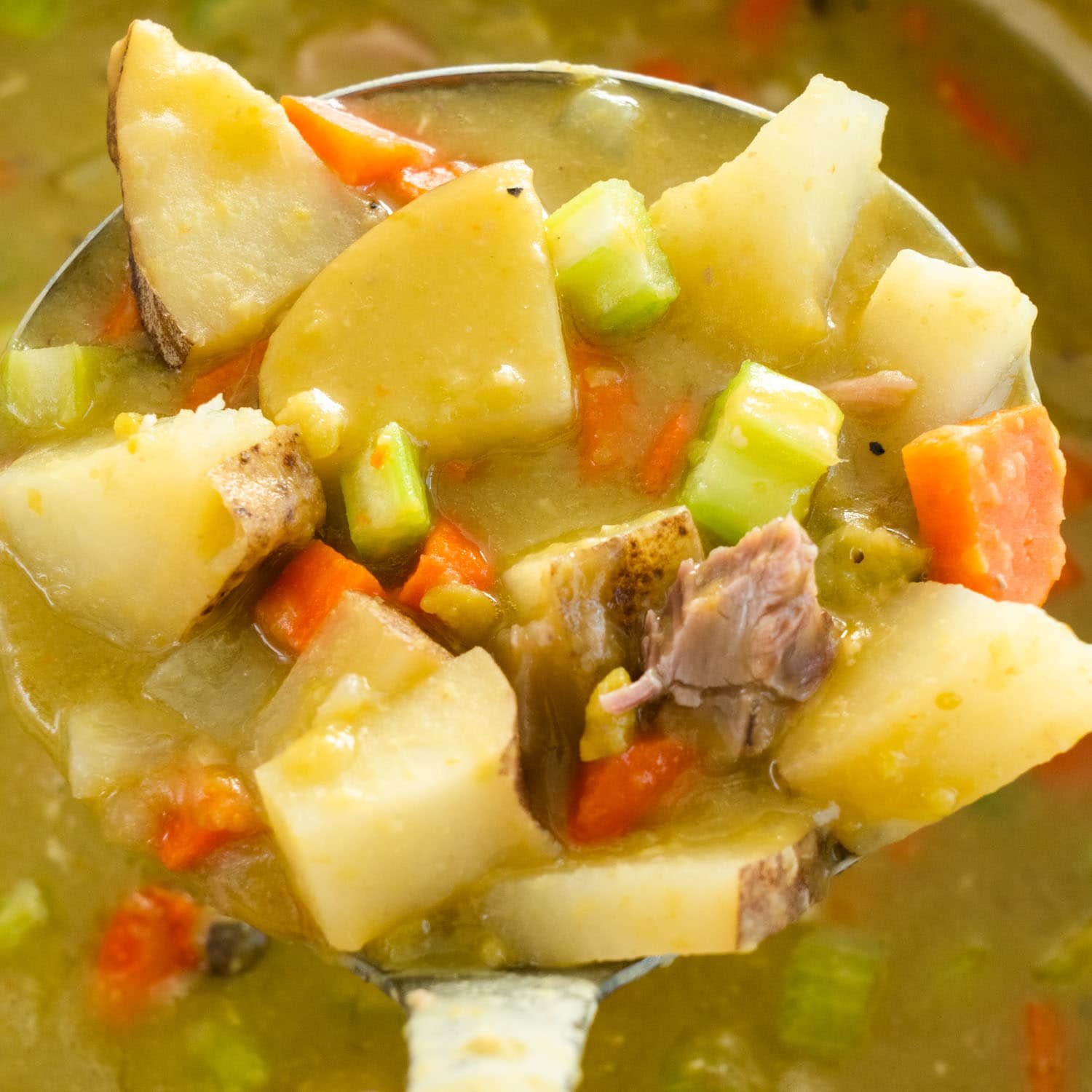
Hearty Split Pea Soup: The Ultimate Comfort, Creamy Perfection Without the Gloppiness
There are few dishes that deliver the profound sense of warmth and nostalgia quite like a truly hearty split pea soup. It’s the culinary equivalent of a cozy blanket on a crisp day, a comforting embrace that nourishes both body and soul. Yet, many home cooks shy away from making it, fearing a bland, overly thick, or "gloppy" result. Well, fear no more! This recipe for hearty split pea soup is engineered for creamy, deeply flavorful perfection every time – never watery, never gloppy, and incredibly easy to make. Best of all, it’s a freezer-friendly champion, ready to provide comfort whenever the craving strikes.
Unlike traditional methods that can leave you with a homogenous, uninspired bowl, our approach focuses on building layers of flavor from the very first step. By caramelizing vegetables, utilizing the smoky depth of a ham bone, and finishing with a bright splash of acidity, we transform humble ingredients into a rich, savory masterpiece. Forget the hassle of soaking; this one-pot wonder goes from pantry to plate with surprising simplicity, promising a satisfying meal that will become a cherished staple in your home.
Why This Hearty Split Pea Soup Stands Out: Creamy, Never Gloppy, and Rich in Flavor
What makes this particular hearty split pea soup recipe a cut above the rest? It’s all about intentional technique that maximizes flavor and texture. We address the common pitfalls of split pea soup head-on, ensuring a truly exceptional eating experience.
- Deep Flavor Foundation: The secret to avoiding blandness lies in how you start. We begin by sautéing onions, carrots, and celery in butter or oil. This isn't just about softening them; it's about initiating the Maillard reaction, caramelizing their natural sugars. This foundational step builds a complex, savory depth that permeates the entire soup, creating a richness that simply boiling vegetables can't achieve. Think of it as creating the aromatic soul of your soup. For more on this crucial technique, check out our guide on Homemade Split Pea Soup: Sauté Veggies First for Deepest Flavor.
- Creamy, Never Gloppy Texture: The perfect split pea soup should be luxuriously creamy, not thick like paste. Our recipe achieves this by allowing the split peas to naturally break down over a slow simmer, releasing their starches to create a velvety consistency. We also strategically add diced potatoes later in the cooking process. This prevents them from turning to mush and excessively thickening the soup too early, allowing the peas to do their job while the potatoes retain their tender texture.
- The Bright Finish: A final, often overlooked, touch that elevates this soup is a splash of acidity, typically lemon juice. This brightens all the flavors, cutting through the richness of the ham and vegetables, preventing the soup from tasting heavy or one-note. It's a simple trick that wakes up the palate and makes every spoonful sing.
- Effortless Simplicity: Despite its gourmet taste, this soup remains delightfully straightforward. No pre-soaking of peas is required, making it a spontaneous weeknight option. Everything cooks down beautifully in one pot, minimizing cleanup and maximizing convenience.
The Four Simple Steps to Split Pea Perfection
Creating this magnificent soup is surprisingly simple, broken down into just four manageable steps. Each step plays a vital role in building the incredible depth and texture that defines this recipe.
Step 1: Building the Flavor Foundation
This is where the magic begins. Instead of tossing raw vegetables into a pot of water, we start by heating a little butter or olive oil in your pot. Add your diced onions, carrots, and celery, often referred to as a "mirepoix." Sauté them gently over medium heat until they soften and begin to caramelize – you’ll see light golden-brown edges forming. This process brings out their natural sweetness and creates an incredibly flavorful base for your soup. Don't rush this step; it's essential for the soup's overall character.
Step 2: Simmering Towards Tenderness
Once your vegetables are beautifully caramelized, it's time to introduce the stars of the show. Add your dried split peas (no need for soaking!), along with chicken or vegetable broth, water, your smoky ham bone, and any desired herbs like bay leaves or a sprig of thyme. Bring the mixture to a rolling boil, then immediately reduce the heat to a low simmer. Cover partially and let it cook for about 45-60 minutes. During this time, the peas will gradually soften and begin to break down, naturally thickening the broth. Give it an occasional stir to prevent sticking.
Step 3: The Potato Perfect Timing
Timing is everything when it comes to potatoes in soup. If you add them too early, they'll turn to mush, contributing to a gloppy texture. If added too late, they won't cook through. Our sweet spot is around the 60-minute mark of the pea simmer. Add your peeled and diced potatoes to the pot and continue simmering for another 20 minutes, or until the potatoes are fork-tender and the peas have fully broken down into a creamy consistency. This ensures they cook perfectly without disintegrating.
Step 4: The Finishing Flourish
With the peas and potatoes cooked, it's time to bring everything together. Carefully remove the ham bone from the pot. Allow it to cool slightly, then shred any tender meat from the bone and stir it back into the soup. This adds delightful pockets of savory ham to every spoonful. Finally, stir in a generous splash of fresh lemon juice. This simple addition is a game-changer, brightening the rich flavors and adding a hint of zest that elevates the entire dish. Season with salt and freshly ground black pepper to taste, adjusting as needed. Serve hot with crusty bread or warm rolls, and prepare for pure comfort.
Maximizing Flavor and Texture: Expert Tips & Ingredient Insights
While the four steps outline the core process, a few additional tips and insights can truly elevate your hearty split pea soup from good to unforgettable.
- Ham Bone Substitutions: A smoky ham bone is ideal, but if you can't find one, ham hocks are an excellent alternative. They might have a bit less meat but will infuse the broth with a fantastic smoky flavor. Look for both in the meat section of your grocery store. If neither is available, use smoked turkey legs or even a smoked pork hock for a similar effect. For a non-smoked option, use leftover cooked ham, adding it when you introduce the potatoes for tenderness.
- Beyond Basic Herbs: Don't just stick to a bay leaf. Consider adding a few sprigs of fresh thyme or rosemary tied with kitchen twine, which you can easily remove before serving. A pinch of dried marjoram can also add a lovely, subtle flavor.
- Broth Quality Matters: Since broth forms a significant part of your soup's liquid base, opt for a good quality, low-sodium chicken or vegetable broth. This gives you control over the final salt content and ensures a richer base flavor.
- Vegetable Variations: Feel free to experiment with your aromatics. A diced parsnip can add a sweet, earthy note, while a leek (white and light green parts, thoroughly cleaned) can introduce a delicate oniony flavor.
- Garnish for Panache: While delicious on its own, a simple garnish can add visual appeal and extra texture. Consider a sprinkle of fresh parsley, chives, or even crispy bacon bits. A dollop of plain Greek yogurt or sour cream, or a swirl of good quality extra virgin olive oil, can also add a touch of richness.
- Adjusting Consistency: As split pea soup cools, it tends to thicken considerably. Don't panic if your leftovers are very thick. Simply stir in a splash of water or extra broth when reheating to achieve your desired consistency.
Storing and Freezing for Future Comfort
One of the many virtues of hearty split pea soup is how beautifully it stores and freezes, making it an ideal candidate for meal prepping. This means you can enjoy that comforting bowl even on your busiest days.
Refrigeration
Once your soup has cooled completely, transfer it to an airtight container. Stored properly in the refrigerator, it will maintain its delicious flavor and texture for 3 to 5 days. When you're ready to enjoy leftovers, simply reheat them in the microwave or gently on the stovetop over medium-low heat. Remember, the soup will thicken as it chills, so you'll likely want to stir in a splash of water or broth to thin it out to your preferred consistency during reheating.
Freezing
This soup is a freezer superstar, lasting for up to 3 months without significant loss of quality. To freeze:
- Cool Completely: This is crucial. Never freeze hot or warm soup, as it can compromise food safety and quality. Let it cool on the counter for a couple of hours, then transfer it to the refrigerator to chill thoroughly before freezing.
- Portion Appropriately: Divide the cooled soup into freezer-safe containers or heavy-duty freezer bags. If using containers, leave about an inch of headspace at the top to allow for expansion during freezing. For freezer bags, lay them flat after sealing for efficient storage.
- Label and Date: Don't forget this step! Label each container or bag with the contents and the date it was frozen so you know exactly what you have and when it needs to be consumed.
When you're ready to enjoy your frozen hearty split pea soup, the best method is to thaw it in the refrigerator overnight. Once thawed, transfer it to a saucepan and reheat gently over low heat, stirring occasionally. Just like with refrigerated leftovers, add a splash of water or broth to achieve your desired consistency. Freezing this soup means you're just a thaw and reheat away from a delicious, soul-satisfying meal!
There’s something uniquely satisfying about a bowl of hearty split pea soup that truly hits the spot, especially when it’s made right. This recipe delivers on every promise: a deeply flavorful base, a perfectly creamy texture that’s never gloppy, and the incredible ease of a one-pot meal. With the added bonus of being simple to store and freeze, you can ensure a comforting, homemade meal is always within reach. So, gather your ingredients, follow these steps, and discover the joy of making a split pea soup that will become a treasured favorite in your kitchen.
