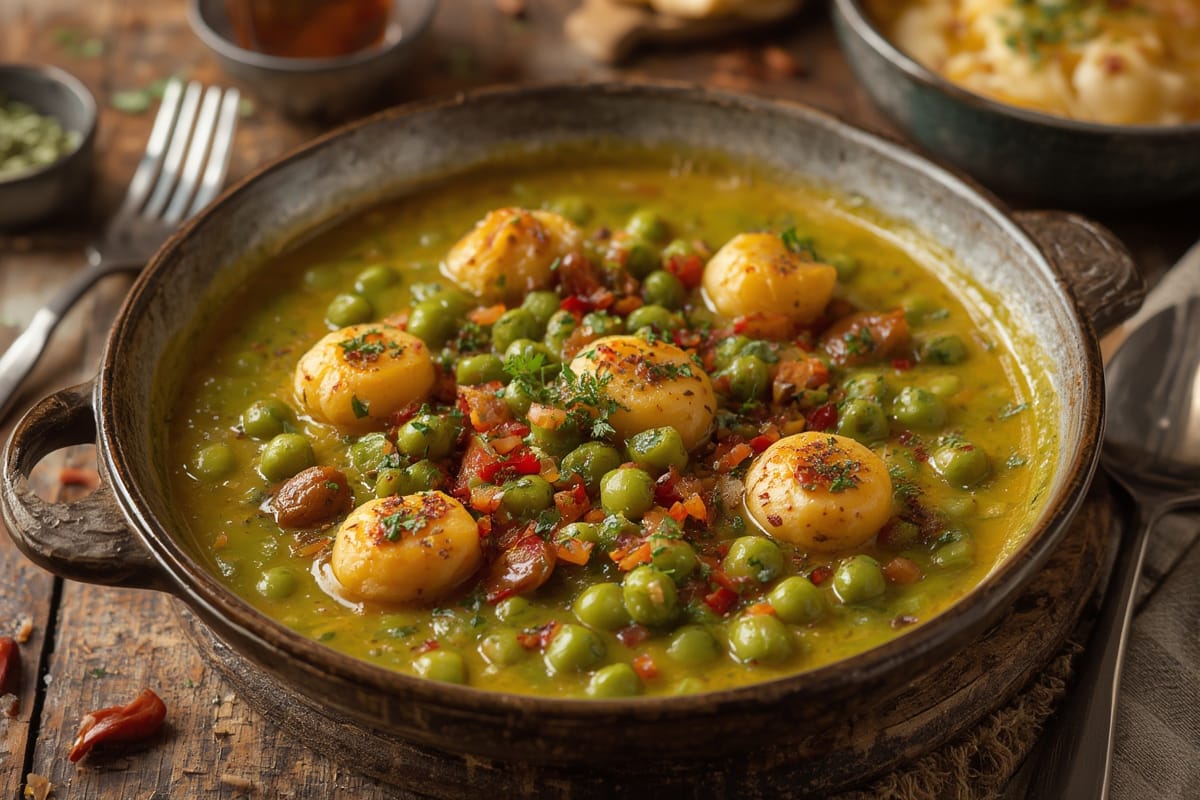
Imagine a bowl of the most comforting, velvety smooth soup, rich with smoky flavor and tender goodness, warming you from the inside out. Now imagine achieving that culinary dream without the traditional hassle of soaking ingredients overnight. Welcome to the world of No-Soak Split Pea Soup, where getting that undeniably hearty split pea soup experience is not just possible, but incredibly simple.
For too long, the idea of making split pea soup has been clouded by myths of lengthy preparation, yet this recipe shatters those preconceptions. You can achieve a deeply flavored, lusciously creamy texture without a single pre-soak, ensuring your homemade creation is never thick and muddy, but always bright, savory, and perfectly balanced. This one-pot wonder, featuring a smoky ham bone, tender potatoes, and dried split peas, cooks down to an ideal consistency that will quickly become a cherished favorite.
The Secret to Unrivaled Flavor: Building Depth from Scratch
The magic of this particular hearty split pea soup lies not in obscure ingredients or complex techniques, but in smart, foundational steps that maximize flavor and texture with minimal effort. It’s about understanding how to coax the best out of simple components.
Debunking the Soaking Myth: Why No-Soak is Best for Split Peas
One of the most common questions when preparing split pea soup is whether to soak the dried peas. The answer, for this recipe, is a resounding no. Unlike larger legumes, dried split peas are already "split," meaning their tough outer skins have been removed. This processing makes them inherently quicker to cook and more prone to breaking down into a creamy consistency. Soaking them can sometimes lead to a mushy texture too early in the cooking process, or contribute to that thick, gloppy consistency we aim to avoid. By skipping the soak, you simplify your prep and allow the peas to gently dissolve and thicken the soup naturally, releasing their starch as they simmer to create a silky, smooth broth.
The Foundation: Sautéing for Superior Taste
Forget boiling raw vegetables; the true secret to a profoundly flavorful soup begins with a simple act of sautéing. Instead of merely softening, taking the time to caramelize your aromatic base – onions, carrots, and celery – in a little butter or oil transforms their sugars, creating complex, savory notes that infuse every spoonful of your hearty split pea soup. This Maillard reaction is a cornerstone of deep flavor development, setting an incredibly rich foundation for the entire dish. It's a small step that yields monumental results, creating a complexity that simply boiling vegetables cannot match. For more on this crucial technique, explore Homemade Split Pea Soup: Sauté Veggies First for Deepest Flavor.
The Smoky Heart: Ham Bone, Ham Hocks, and Savvy Substitutions
The ham bone is the unsung hero of this recipe, infusing the soup with an unparalleled depth of smoky, savory flavor. As it simmers, it slowly releases its rich collagen and seasoning into the broth, creating an incredibly delicious base that permeates every pea and vegetable. If a ham bone proves elusive, don't despair:
- Ham Hocks: Often found alongside ham bones in the meat section, ham hocks offer a similar smoky flavor, though they typically contain less meat. They are an excellent substitute for building a robust broth.
- Cooked Ham or Leftover Ham: While it won't impart the same smoky depth to the broth, diced cooked ham or leftover holiday ham can still provide that wonderful savory meatiness. If using cooked ham, add it towards the end of the cooking process, when you introduce the potatoes, to prevent it from becoming tough. Consider adding a pinch of smoked paprika or a dash of liquid smoke if you miss the smoky nuance.
The Finishing Touch: A Zesty Spark
Once the soup has simmered to perfection and the flavors have melded, a final, often overlooked, step elevates this hearty split pea soup from merely good to truly spectacular: a splash of acidity. A squeeze of fresh lemon juice stirred in at the very end acts as a bright counterpoint to the rich, savory, and smoky flavors. It cuts through the richness, preventing the soup from tasting too heavy or one-note, and awakens the palate with a refreshing zing that makes you want another spoonful. It’s a simple, chef-approved trick that brightens and balances the entire dish.
Crafting Your Perfect No-Soak Split Pea Soup: A Step-by-Step Guide
Making this comforting soup is surprisingly straightforward, broken down into logical steps that ensure maximum flavor and ideal texture.
Step 1: Build Your Aromatic Base
In a large pot or Dutch oven, begin by melting a little butter or heating olive oil. Add your diced onions, carrots, and celery. Sauté them over medium heat, stirring occasionally, until they soften and begin to caramelize, developing a beautiful golden hue. This crucial step is where the deepest flavors of your hearty split pea soup truly start to develop.
Step 2: Simmer for Tender Peas and Rich Broth
Once your vegetables are caramelized, it’s time to bring everything together. Add the broth, water, your chosen ham bone (or hocks), herbs like a bay leaf or a sprig of thyme, and the dried split peas (remember, no soaking needed!). Bring the mixture to a rolling boil, then immediately reduce the heat to a low simmer. Cover partially and let it cook gently for about 45-60 minutes, or until the split peas are significantly softened and starting to break down, naturally thickening the soup.
Step 3: Introduce the Potatoes for Hearty Texture
Adding diced potatoes later in the cooking process is key to preventing them from turning to mush and over-thickening the soup. Once the peas have softened, stir in your diced potatoes and continue to simmer for another 20 minutes, or until the potatoes are fork-tender. This timing ensures they contribute a pleasant, hearty texture without disintegrating.
Step 4: Finish, Season, and Serve!
Carefully remove the ham bone from the pot. If there’s meat clinging to it, shred it off and stir it back into the soup. Now, for that essential finishing touch: stir in a generous splash of fresh lemon juice. Taste and adjust your seasonings with salt and freshly ground black pepper as needed. Your luscious, hearty split pea soup is ready! Serve it piping hot with your favorite crusty Italian bread, warm homemade Hawaiian rolls, or a slice of cornbread for a truly satisfying meal.
Beyond the Bowl: Storage, Freezing, and Savvy Substitutions
One of the many joys of this hearty split pea soup is how well it stores and freezes, making it perfect for meal prep or enjoying comforting leftovers throughout the week.
Keeping it Fresh: Refrigerating Leftovers
Allow any leftover soup to cool completely before transferring it to an airtight container. Stored properly in the refrigerator, it will retain its deliciousness for 3 to 5 days. When reheating, whether in the microwave or gently on the stovetop, you'll likely notice the soup has thickened considerably. This is normal, as the starches from the peas continue to absorb liquid. Simply stir in a splash of water or extra broth to achieve your desired consistency.
Mastering the Freeze: Batch Cooking Made Easy
This Hearty Split Pea Soup: Creamy, Never Gloppy, and Easy to Freeze is an ideal candidate for freezing. To freeze, ensure the soup is completely cool. Ladle it into freezer-safe bags or containers, leaving a little headspace to allow for expansion. It will maintain its quality for up to 3 months. When you're ready to enjoy it, thaw the soup overnight in the refrigerator, then reheat it gently on the stovetop over low heat, adding water or broth as needed to thin it to your preferred consistency. This makes future cozy meals incredibly convenient.
Customizing Your Creamy Masterpiece
While the classic recipe is perfect as is, feel free to experiment and make this hearty split pea soup truly your own:
- Vegetable Boost: Enhance the nutritional value and texture by adding other vegetables. A handful of chopped spinach or kale stirred in during the last 10 minutes of simmering adds color and a pleasant earthy note.
- Herbal Infusion: Beyond bay leaves and thyme, consider adding a pinch of dried rosemary or a sprig of marjoram for different aromatic profiles.
- Spice It Up: For a touch of warmth, a pinch of smoked paprika or a very mild chili powder can be added during the sautéing stage.
- Vegetarian/Vegan Option: While the ham bone is key for this particular flavor profile, you can adapt this recipe by omitting the ham bone entirely and using vegetable broth. To compensate for the lost umami, consider adding a parmesan rind to the simmer (remove before serving) or a dash of mushroom powder.
This No-Soak Split Pea Soup proves that true comfort food doesn't have to be complicated. By focusing on smart cooking techniques like building a deep flavor base with sautéed vegetables and understanding the natural properties of split peas, you can create a creamy, never gloppy, and easy-to-freeze hearty split pea soup that satisfies deeply every time. So next time a chilly day calls for a hug in a bowl, reach for this recipe and discover the effortless richness awaiting you.
